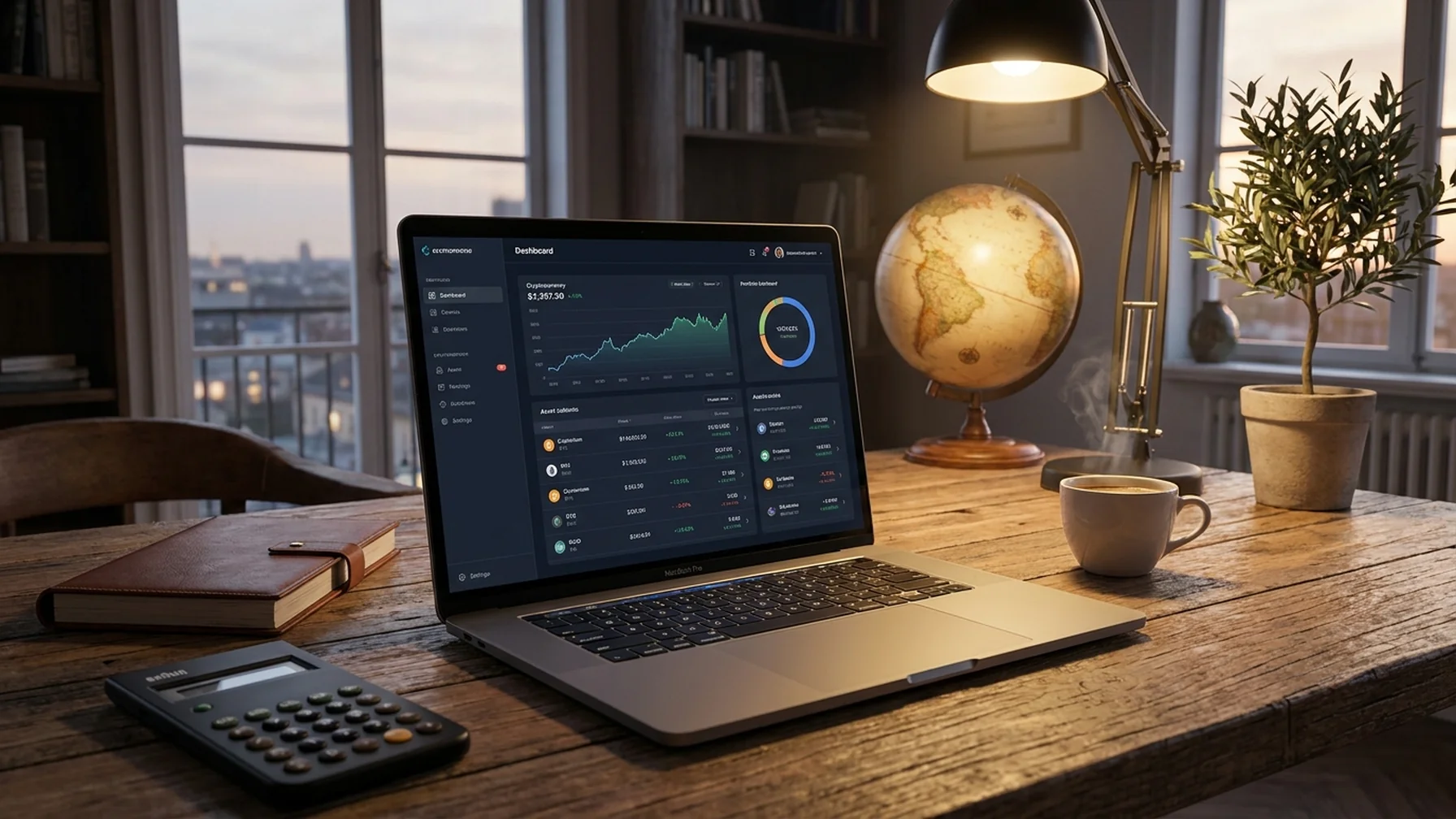
Evaluating Crypto as a Long-Term Investment: A Beginner's Guide.

Article Structure
As cryptocurrencies continue to rise in prominence, many individuals are considering the potential of crypto as a long-term investment. Before diving in, it's crucial to understand the basics of investing in crypto, how much to allocate, and the implications for your financial goals. This guide will walk you through the essentials of evaluating crypto as part of your long-term investment strategy.
Determining Your Investment in Crypto
Deciding how much to invest in crypto is a personal decision that depends on several factors. A common guideline suggests allocating a small percentage of your total investment portfolio, typically 5-10%, based on your risk tolerance. This approach helps manage potential risks while still allowing you to benefit from potential gains.
Consider these elements when deciding your investment:
- Your overall financial situation
- Risk tolerance and investment goals
- Current market conditions
By evaluating these factors, you can make more informed decisions about how much to invest in cryptocurrencies as part of your long-term strategy.
How to Start Investing in Crypto
Getting started with crypto investing can feel overwhelming, but breaking it down into manageable steps can simplify the process. Follow these steps to begin your journey:
- Select a reputable exchange platform where you can buy and sell cryptocurrencies.
- Set up your account with strong security measures, such as two-factor authentication.
- Research and decide which cryptocurrencies to invest in by considering their market potential and technological foundations.
By following these steps, you can enter the crypto market with confidence and a clear strategy.
Factors to Consider for Long-Term Crypto Investment
In evaluating crypto as a long-term investment, consider various factors that impact its viability and growth potential. These factors can guide your decision-making process:
- Market volatility and potential for price fluctuation
- Regulatory environment and government policies
- Technological advancements and adoption rates
- Historical performance and market trends
- Security risks and vulnerabilities of digital assets
Analyzing these factors will help you make informed decisions about incorporating cryptocurrencies into your investment portfolio.
Key Aspects of Crypto Analysis
The following table outlines key aspects to consider when analyzing cryptocurrencies for long-term holding:
Understanding the importance of each factor can help you shape your investment strategy effectively.
| Factor | Importance |
|---|---|
| Market Volatility | High |
| Technology Adoption | High |
| Regulatory Environment | Medium |
| Historical Performance | High |
| Community Support | Medium |
| Market Capitalization | High |
This table highlights important factors to analyze when considering cryptocurrencies for long-term investment. Higher importance ratings indicate aspects that could significantly affect investment outcomes over time, emphasizing the need for thorough research and continuous monitoring of these elements.
Is Crypto Investing Right for You?
Before committing, consider if crypto fits your financial goals and risk tolerance. If you're comfortable with volatility and have a long-term investment horizon, crypto might be suitable. However, if you prefer stable investments with predictable returns, you may want to reconsider or limit your exposure.
First Steps for Crypto Investing Beginners
For beginners, it's essential to start small and gradually increase your investment as you become more familiar with the market. Use strategies like dollar cost averaging, where you invest a set amount regularly, to minimize the impact of volatility. This approach can help you avoid emotional investing and make more rational decisions.
Understanding Crypto Taxes
Taxation is a critical aspect of crypto investing that can’t be overlooked. In many countries, crypto transactions are taxable events. This includes selling crypto for fiat currency, trading one crypto for another, or using crypto to purchase goods and services. It's important to keep accurate records of all transactions for reporting purposes.
How to Report Crypto on Taxes
When tax season arrives, you'll need to report your crypto transactions accurately. This involves calculating any capital gains or losses and including them in your tax return. Using crypto tax software can simplify this process by tracking your transactions and calculating your tax obligations.
Managing Crypto Volatility
Crypto's volatility can be both a risk and an opportunity. To manage this, diversify your investments across various cryptocurrencies rather than putting all your funds into one. Additionally, employing a long-term strategy like HODLing—holding onto your investments despite market fluctuations—can help smooth out the effects of volatility over time.
Allocating Crypto in a Portfolio
When integrating crypto into your portfolio, consider your overall investment strategy. A balanced portfolio might include a mix of stocks, bonds, real estate, and a small portion of crypto. This diversification helps mitigate risks and can potentially enhance returns.
Avoiding Emotional Investing
Crypto markets can be highly emotional, driven by news and market sentiment. To avoid making rash decisions, stick to your investment plan and avoid checking prices obsessively. Set clear goals and review your investments periodically, not reactively.
Investing in crypto as a long-term strategy requires careful evaluation and a clear understanding of your financial objectives. By starting small, staying informed about tax obligations, and managing risks wisely, you can position yourself to potentially benefit from the dynamic world of cryptocurrency.